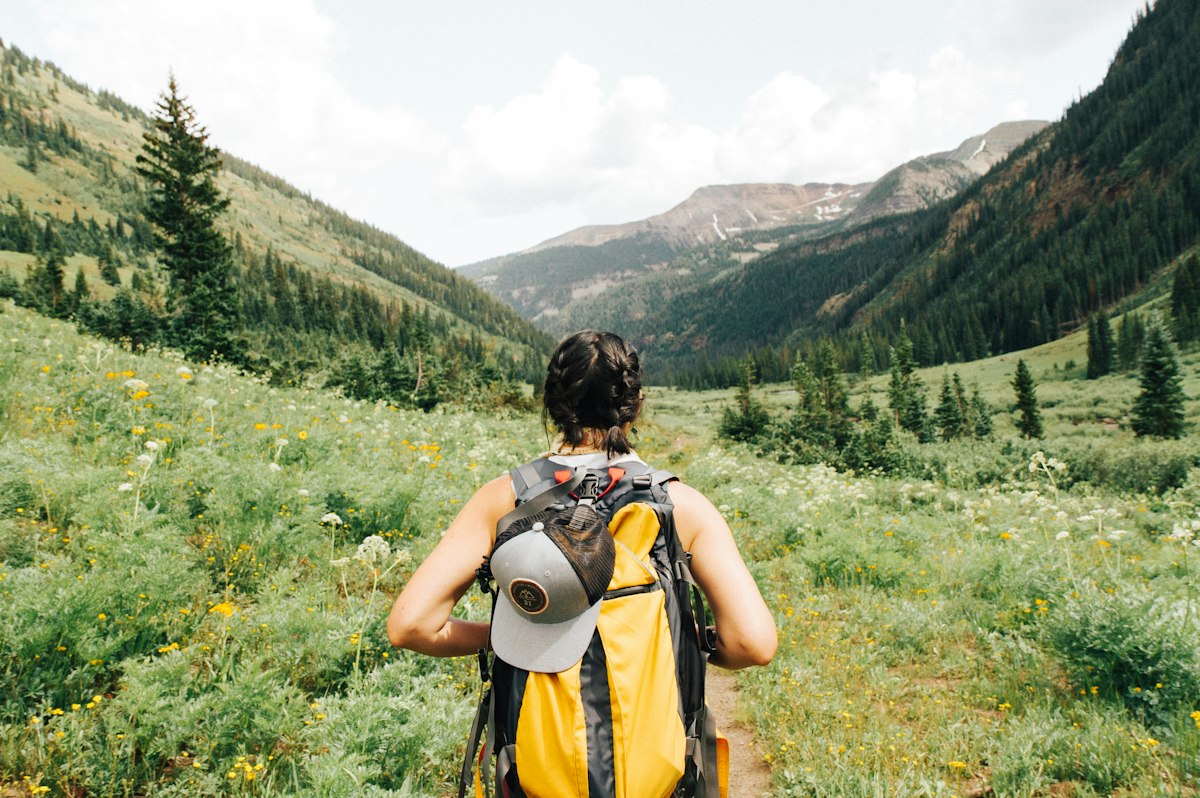
On my first expedition to 5,000m, I made what I now consider the most common beginner mistake: I let myself get dehydrated because I didn't feel thirsty. At altitude, the combination of cold air, low humidity, and increased respiratory water loss creates a chronic state of fluid deficit that most climbers don't recognize until they develop a headache, feel inexplicably fatigued, or — in severe cases — show signs of AMS.
Why Altitude Increases Water Loss
At sea level, you lose about 300ml of water daily through breathing — water vapor in exhaled air. At 4,000m, that figure roughly doubles because cold air can hold less moisture, so your respiratory tract must humidify a greater volume of air to reach body temperature. Add to this the increased urine output — altitude triggers a diuretic response as your body attempts to adjust to lower oxygen — and you're fighting a constant uphill battle against dehydration even when you're drinking normally.
Physical exertion compounds this dramatically. A full day of climbing at altitude can see fluid losses of 3-5 liters through a combination of respiratory loss, sweating, and urination. Replace only 1-2 liters and you're running a substantial deficit by evening.
How Much Water Do You Actually Need?
Using our Hydration Calculator gives you a baseline, but general guidelines are: at moderate altitude (2,000-3,500m), plan for 3-4 liters per person per day during active climbing. Above 4,000m, this increases to 4-6 liters. In cold, dry conditions, fluid needs approach the upper end of these ranges. During a physically demanding push day — say, a 12-hour summit push on a major peak — I've personally consumed over 5 liters and still finished mildly dehydrated.
Water Sources and Treatment
In most alpine environments, running water from glacial streams is generally safe to drink — but not universally. Giardia, the microscopic parasite that causes severe intestinal distress, is present in water sources across the Alps, Himalaya, and North America. Boiling water for one minute (or three minutes above 3,000m, since boiling point is lower) kills giardia and most other pathogens. Chemical treatment with chlorine or iodine is less reliable against certain protozoa but works for most bacterial contamination. Filtering with a 0.2-micron filter removes giardia and bacteria but not viruses — combination filter/chemical treatment is the most robust approach.
Carrying Strategy
The challenge at altitude is carrying enough water without it freezing. In cold conditions, a water bottle left outside your sleeping bag overnight can become a solid block of ice by morning. Keep your water bottle inside your sleeping bag or jacket during cold nights. Insulated sleeves help but aren't foolproof. For very cold conditions, a wide-mouth Nalgene keeps in body heat when carried inside your layers and is less likely to crack if frozen.
Hot drinks are more than comfort at altitude — they provide fluid, warmth, and a psychological boost that matters when you're exhausted at 7,000m. Carry a thermos of tea or soup to camp, or plan to melt and heat snow in the evening. Melting snow for drinking takes roughly an hour per liter over a standard stove, so factor this into your evening routine.
Signs of Dehydration
Early signs are subtle and often misattributed to altitude: headache, fatigue, dizziness, reduced appetite. Dark urine, dry lips, and decreased urine output are more specific markers. By the time you feel genuinely thirsty, you're already dehydrated. The practical solution: monitor your urine color. Pale yellow indicates adequate hydration; anything darker means you need to drink more.
Related Articles
- Hydration Calculator — Calculate your exact water needs
- Nutrition for Alpine Climbs — Combining hydration with proper fueling
- Altitude Sickness Guide — Dehydration and AMS connection