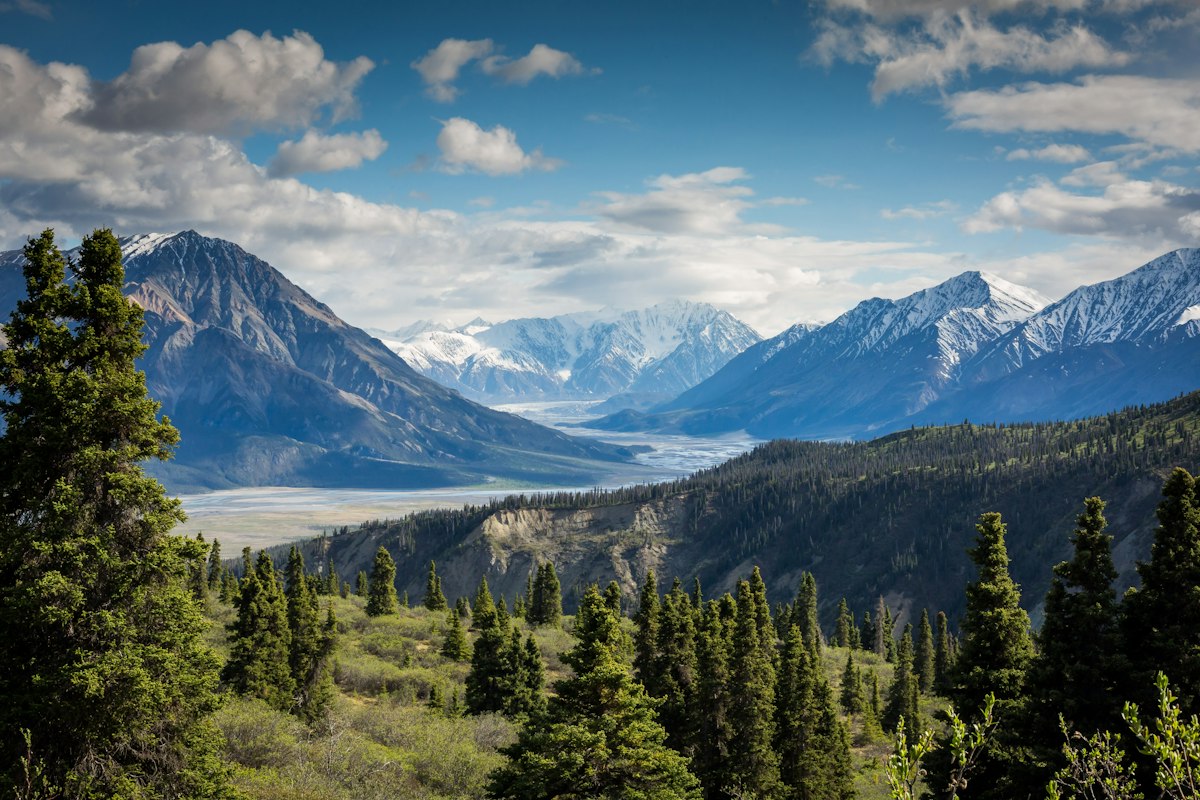
The first time I linked multiple peaks in a single push — three 4,000m peaks in the Alps over 26 hours — it was an exercise in logistics as much as fitness. The key wasn't my climbing speed; it was understanding which routes could be linked, which bivouac positions worked as staging points, and how to read weather windows tight enough to allow multi-peak pushes without getting caught in deterioration. Peak bagging as a discipline requires combining fitness, technical skill, weather forecasting, and logistics in ways that single-peak climbing doesn't demand.
Understanding the Peak Bagging Mindset
Peak bagging — attempting multiple summits in a defined timeframe — is a different discipline from single-peak climbing. The objectives are different: where a traditional climber might spend weeks on a single serious route, a peak bagger is optimizing for summit count within time and energy constraints. Neither approach is superior; they're different games with different success criteria.
The peak bagging mindset requires accepting certain trade-offs. You typically accept higher objective risk (faster pace, tighter weather windows, less margin for error) in exchange for the efficiency of linking peaks. You also accept that some routes will be climbed less elegantly than if you'd given them a dedicated push. These trade-offs are explicit and accepted — the peak bagger's goal is multiple summits, not style points.
Planning Multi-Peak Expeditions
Successful multi-peak expeditions are built on detailed logistics. The planning framework: identify the peaks you intend to climb and map the connecting routes between them, evaluate each peak's difficulty and time requirement individually, then add travel time between peaks (often underestimated), identify bivouac or camp positions that serve multiple objectives, and build in weather contingency days.
The time budget is the critical constraint. For a 3-peak link in the Alps, I budget 6-8 hours per peak including approach and descent, plus 2-4 hours of travel between peaks, plus rest time. A 3-peak link in good conditions is 20-28 hours of total effort. In poor conditions, that extends significantly or becomes impossible.
Route linking requires understanding which routes can be connected efficiently. Peaks that share a common approach (a shared base camp, a shared col or saddle) can be linked far more efficiently than peaks that require complete re-ascent. The ideal multi-peak link uses a "hub" — a base position from which you ascend multiple peaks and return to the same hub.
Weather Window Management
Peak bagging is more weather-dependent than single-peak climbing because the probability of a good weather window during a multi-peak push decreases as the number of required summit days increases. If the probability of a good weather day is 60%, the probability of three consecutive good days is 0.6^3, or roughly 22%.
This has two implications. First, be prepared to move fast when the window opens — a rapid push through good conditions is often the difference between a successful multi-peak link and a failed one. Second, have a "pivot plan" — if conditions on your primary objective deteriorate, what's your fallback? Peak bagging with a flexible objective list is more likely to succeed than peak bagging with a rigid list.
The weather window management strategy: arrive at your base position with a 2-3 day weather window available, assess conditions in the first hours, and if the window is favorable, push hard for your primary objective. If the window closes, shelter and wait for the next opening rather than pushing into deterioration.
Fitness Requirements for Rapid Ascents
Linking multiple peaks in a single push requires exceptional fitness — specifically, the ability to sustain moderate-to-high effort for extended periods while carrying a moderate pack. The fitness profile is different from single-peak climbing: you need sustainable pacing rather than maximum effort, the ability to recover partially during short rest periods, and the metabolic efficiency to operate on minimal sleep.
The Cooper test (12-minute run) provides a baseline aerobic fitness indicator. For serious multi-peak linking, a score of 3,000m+ represents the threshold of adequate fitness. Beyond aerobic capacity, you need functional leg strength for sustained steep terrain and upper body strength for any technical sections. See our Fitness Assessment guide for detailed testing protocols.
Nutrition and Hydration for Multi-Peak Pushes
Multi-peak pushes are metabolically expensive — you can burn 4,000-6,000 calories over a 24-hour push, and you're operating at altitude where appetite is suppressed and digestion is compromised. The nutrition strategy for multi-peak linking: pre-stage food at your bivouac points, carry high-density calorie foods (nuts, chocolate, nut butter) for the push, and force yourself to eat on schedule rather than waiting until you're hungry.
Hydration is equally critical. Carry enough water for the entire push if possible, or know your water sources along each route. At altitude, you're unlikely to feel thirsty adequately — drink on a schedule, roughly 250ml every 30-45 minutes during active climbing, and 500ml at each rest stop.
Risk Management for Peak Bagging
Peak bagging introduces additional risk factors: fatigue accumulation across multiple peaks, reduced judgment quality after sustained effort, and time pressure to complete the link before weather closes. The mitigation strategy: establish explicit turn-back criteria before you start (e.g., "if we're not on summit 2 by X time, we descend"), pre-commit to your turnaround points, and accept that a successful peak bagging trip is one where you returned safely — summit count is secondary.
Related Articles
- Planning a Multi-Day Trek — Multi-day logistics that support peak bagging expeditions
- Fitness Assessment for Climbers — Understanding your fitness baseline
- Weather Forecasting for Climbers — Identifying weather windows for peak bagging pushes