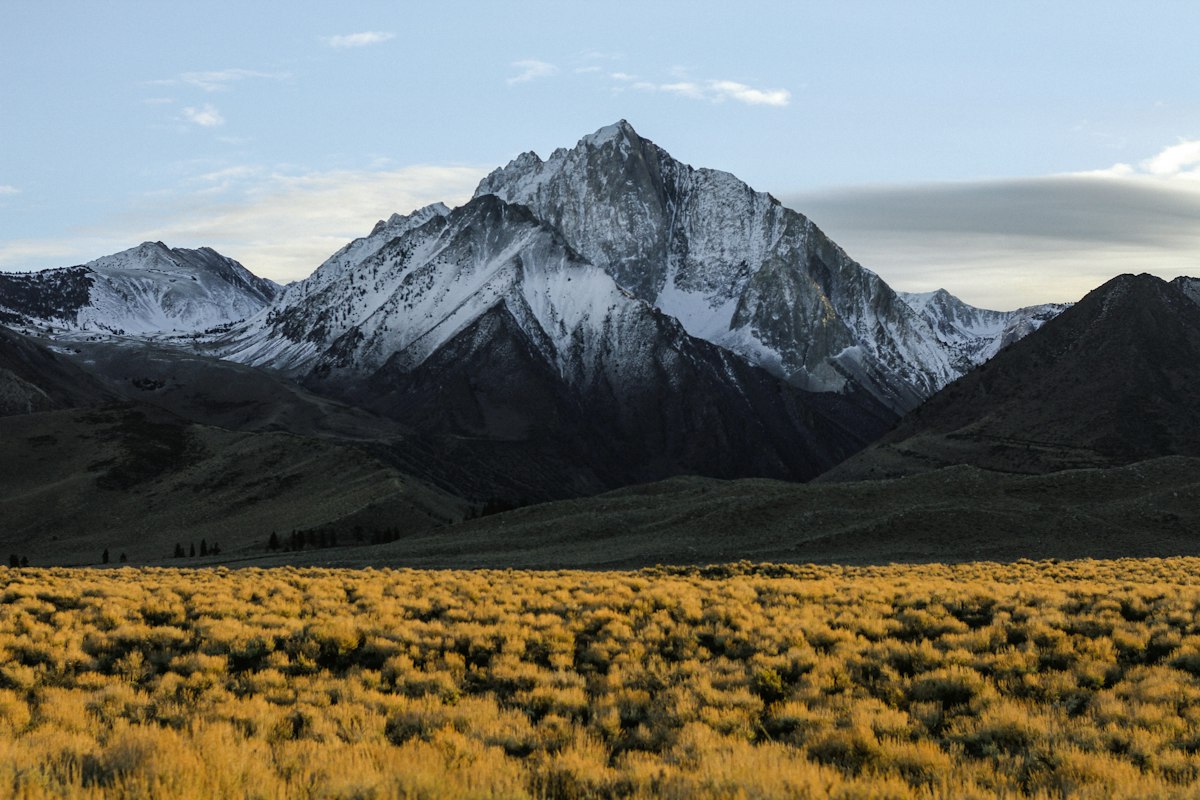
My first expedition was a three-week attempt on a 6,000m peak in the Himalaya. I thought I was prepared — I had trained hard, bought good gear, and studied the route description. What I hadn't done was plan properly for the logistics: I ran out of food on day 12, I hadn't arranged my permit timeline correctly so I arrived at the trailhead a week before my permit started, and I had no communication plan with my support team. The climb failed not because of fitness or weather but because of logistics. That experience fundamentally changed how I approach expedition planning, and everything I'm sharing here is built on lessons learned the hard way.
Choosing Your Route and Objective
The most important decision is choosing an objective that matches your current ability level while still pushing you. For a first expedition, I strongly recommend choosing a route that's been climbed before with well-documented conditions and logistics. Novelty has its appeal, but for your first multi-day objective, the predictability of a known route eliminates an entire category of variables you can't yet manage.
Evaluate potential routes across several dimensions: technical difficulty, commitment level (how hard it is to bail), altitude gain and sleeping elevation profile, season and weather patterns, access and logistics complexity, and rescue infrastructure. A technically easy route at very high altitude (above 6,000m) might be more dangerous than a moderate route at 4,500m because altitude-related emergencies become more likely. Conversely, a low-altitude route with complex technical terrain might exceed your current rope work skills.
For first expeditions, I typically recommend routes where the technical terrain is at or slightly below your current comfort level, where you can reach safe turnaround points if conditions deteriorate, and where rescue is feasible within a realistic timeframe. Use our Route Danger Rating Tool to help compare objectives.
Permits and Legal Requirements
Most significant alpine objectives require permits, and permit logistics are often the most time-sensitive planning element. Many popular routes have limited daily permit allocations, seasonal windows, and advance booking requirements that stretch months or even a year into the future.
Start permit research at least 6-12 months before your planned departure for popular international destinations. Nepal trekking permits, permits for peaks in Pakistan, China's mountain permits, and US National Park climbing permits all have specific application windows and requirements. Budget for permit fees — they can range from $50 to several thousand dollars depending on the destination and peak.
Also research visa requirements, vaccination recommendations, and local regulations regarding group size, minimum age, and required insurance coverage. Some countries require specific travel insurance that covers helicopter evacuation. Don't assume your standard travel insurance covers high-altitude climbing — most explicitly exclude it.
Logistics Planning
Expedition logistics break down into several sub-categories, each of which deserves dedicated planning attention.
Flights and ground transportation: Factor in at least two buffer days on each end of your expedition for flight delays and travel logistics. If you're flying internationally, jet lag can cost you a day or two of effective performance at altitude — build recovery time into your schedule. Research your route to the trailhead: some destinations require multiple internal flights, drives on rough roads, or even boat crossings.
Base camp logistics: For supported expeditions, establish what base camp services you'll use — hiring cooks, porters, or local guides. For self-supported climbs, plan your food and fuel resupply, or calculate whether you'll carry everything from the trailhead. Calculate your daily food consumption and pack weight. Plan for emergency food reserves — at minimum, two extra days of rations beyond your planned duration.
Communication plan: Establish check-in protocols with a base contact. Define what circumstances trigger emergency communication. Ensure your communication device (satellite phone, inReach, PLB) is registered and tested before departure.
Acclimatization Planning
Proper acclimatization is non-negotiable for any expedition above 3,500m. The standard guideline is "climb high, sleep low" — ascend no more than 300-500m of sleeping elevation per day above 3,000m, and consider rest days every 2-3 days of net elevation gain.
Build a pre-acclimatization strategy if possible. Spending time at moderate altitude (2,000-3,000m) in the weeks before your expedition primes your physiology. Some climbers use altitude simulation systems (altitude tents or masks) in the months leading up to an expedition, though the evidence for meaningful acclimatization benefit is mixed.
Plan your ascent profile around known camps and rest opportunities. Research the standard acclimatization schedule for your objective — most well-traveled high-altitude routes have established camp elevations and rest schedules that reflect decades of collective experience with optimal acclimatization. For more detail, see our Acclimatization Science guide.
Gear Check and Logistics
Create a comprehensive gear list specific to your route and season. For multi-day expeditions, no single piece of gear is optional — you need backup systems for everything critical. At minimum, this includes: primary and backup shelter (tent), primary and backup sleeping systems (bag and pad), sufficient clothing for the worst-case weather scenario (not the expected weather), adequate food with reserves, water treatment capability, navigation tools (physical map and compass as backup to GPS), communication device, first aid kit, and emergency shelter (bivy or emergency bag).
Test everything before you leave. Sleep in your tent, cook with your stove system, wear your boots on loaded training hikes. Discovering that your sleeping bag is inadequate or your boots give you blisters at the trailhead is a preventable crisis.
Communication Plan
Establish clear communication protocols before departure. Define check-in times and methods with a base contact who is not on the mountain. Define specific circumstances that trigger emergency communication: injury, weather delay, failure to reach a planned point, and pre-established timeline deviations.
Register your PLB or satellite communicator before departure. Ensure your emergency contacts know your itinerary, permit details, and the local emergency service numbers for your destination. When you register a rescue beacon, provide the local rescue coordination center's contact information to your base contact — they may need to initiate rescue contact directly.
Related Articles
- Planning a Multi-Day Trek — Logistics for extended backcountry travel
- Expedition Cost Calculator — Budget your expedition properly
- Acclimatization Science — Understanding how your body adapts to altitude